


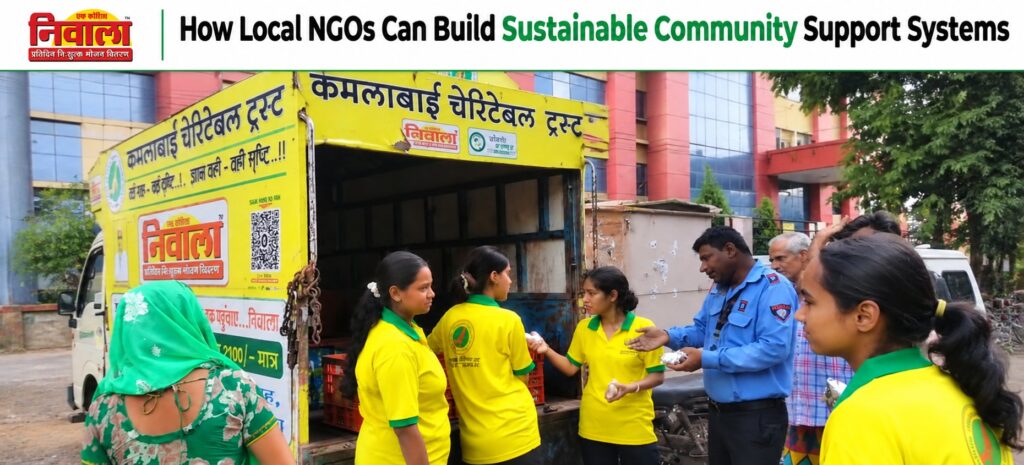
Strong communities are built when people come together to support one another. Whether it is providing nutritious meals, improving access to education, supporting healthcare, or creating livelihood opportunities, collective efforts can bring meaningful social change. However, addressing community challenges requires more than occasional donations or temporary charity programmes. It requires long-term planning, consistent participation, transparency, and strong partnerships. This is where local NGOs play an important role. With a better understanding of local challenges, they can connect individuals, businesses, institutions, and volunteers to create sustainable solutions. Building sustainable community support systems means creating a network where everyone can contribute according to their abilities and work together towards shared social goals. Here are eight practical ways local NGOs can develop stronger and more sustainable communities.
1. Understand the Actual Needs of the Community
Every community faces different social and economic challenges. Some families struggle with food insecurity, while others need educational assistance, healthcare facilities, or employment opportunities. Local NGOs should identify these challenges before developing their programmes. Direct interaction with community members helps organizations understand their actual requirements rather than making assumptions. Some effective approaches include:-
- Conducting community surveys and household assessments.
- Organizing meetings with local residents.
- Connecting with schools, hospitals, and community leaders.
- Collecting feedback from programme beneficiaries.
- Identifying vulnerable groups that need regular assistance.
For example, families accompanying patients at government hospitals may spend long hours without access to affordable meals. Understanding this challenge can help an NGO develop a targeted meal distribution programme. When initiatives are based on genuine community needs, resources can be used more effectively.
2. Build Trust Through Continuous Community Engagement
3. Encourage Regular Donations and Community Participation
One-time contributions can provide immediate relief, but consistent support helps NGOs plan their programmes and manage resources more effectively. Organizations can encourage individuals to participate through monthly donations, meal sponsorships, fundraising campaigns, and community welfare initiatives. For instance, individuals can contribute towards food donation programmes, sponsor nutritious meals, or participate in initiatives that support families experiencing food insecurity. NGOs should also make the donation process simple by providing accessible online donation options and clearly explaining how contributions are utilized. Even small contributions from multiple supporters can collectively create a meaningful impact. The goal should be to develop a dependable network of donors rather than relying entirely on occasional fundraising activities.
4. Develop Partnerships with Local Businesses and Institutions
Local businesses, restaurants, hotels, schools, colleges, hospitals, and corporate organizations can become valuable partners in community development. These partnerships help NGOs access additional resources, professional expertise, volunteers, and financial assistance. For example:-
- Restaurants can coordinate safe surplus food donations.
- Companies can organize employee volunteering programmes.
- Educational institutions can conduct awareness campaigns.
- Local businesses can sponsor community welfare activities.
- Healthcare institutions can support health awareness initiatives.
In Jaipur, partnerships with restaurants and businesses can strengthen meal donation programmes and help provide food to people who need support. For these collaborations to remain effective, organizations should establish clear responsibilities, communication channels, food safety practices, and measurable objectives. Strong partnerships turn individual efforts into organized community action.
5. Focus on Long-Term Solutions Instead of Temporary Relief
Immediate assistance is essential, but sustainable community development also requires addressing the underlying causes of social challenges. For example, providing meals can help families experiencing hunger today. However, supporting education, healthcare awareness, and livelihood opportunities can help communities improve their circumstances over time. Local NGOs should therefore develop programmes that combine immediate relief with long-term development. Some important initiatives include:-
- Providing nutritious meals to vulnerable individuals.
- Supporting children’s education and learning opportunities.
- Organizing healthcare and hygiene awareness programmes.
- Connecting individuals with skill development resources.
- Encouraging financial awareness and livelihood opportunities.
This balanced approach helps organizations address immediate needs while building stronger and more self-reliant communities.
6. Make Volunteering Accessible to Everyone
Volunteers bring time, energy, skills, and fresh ideas to social initiatives. Their participation helps NGOs expand their activities without depending entirely on financial resources. However, people have different abilities and availability. Some may participate in food distribution, while others can contribute through digital marketing, fundraising, content creation, event management, or administrative support. NGOs should create flexible volunteering opportunities that encourage participation from different age groups and professional backgrounds. They can also organize volunteer orientation sessions, assign clear responsibilities, and recognize individual contributions. When volunteers understand the purpose of their work and feel valued, they are more likely to remain involved in long-term community initiatives.
7. Maintain Transparency and Build Donor Confidence
Long-term community support depends on public trust. Donors and volunteers should understand how an NGO manages its resources and what its initiatives aim to achieve. Organizations can improve transparency by:-
- Sharing regular programme updates.
- Publishing annual reports and impact summaries.
- Maintaining proper financial records.
- Communicating fundraising requirements clearly.
- Providing genuine updates about completed activities.
Sharing photographs and stories with appropriate consent can also help supporters understand how their contributions make a difference. Transparency strengthens accountability and encourages donors to continue supporting meaningful social initiatives.
8. Use Digital Platforms to Expand Community Support
Digital platforms have made it easier for NGOs to connect with supporters beyond their immediate geographical areas. A well-maintained website, social media presence, email newsletters, and online donation facilities can help organizations reach more people. NGOs can use these platforms to:-
- Explain their mission and ongoing initiatives.
- Share food donation and fundraising campaigns.
- Attract volunteers and corporate partners.
- Publish community impact updates.
- Provide convenient online donation options.
Regular and informative communication helps supporters remain connected with an organization’s activities. Digital platforms should be used to build genuine relationships rather than simply promote donation campaigns.
How Niwala Contributes to Community Support in Jaipur
Niwala, an initiative of Kamalabai Charitable Trust, works towards its mission of building a hunger-free Jaipur through organized food support initiatives. Its journey began in 2016 with an effort to provide meals to families accompanying patients at government hospitals. What started with one hospital has expanded to five hospitals, extending food support to more families during difficult circumstances. Through its food donation and Gift a Meal initiatives, Niwala encourages individuals and businesses to participate in community welfare by contributing towards meals for people experiencing food insecurity. Its approach highlights the importance of consistent community participation, organized food distribution, and collective responsibility in addressing hunger. Individuals, families, and businesses can explore opportunities to support these initiatives and contribute towards a more compassionate community.
Conclusion
Building sustainable community support systems requires continuous effort, cooperation, and shared responsibility. Local NGOs can create lasting change by understanding community needs, building trust, encouraging regular donations, developing partnerships, and involving volunteers. Sustainable community development should not depend on a single organization or a small group of donors. It grows when individuals, businesses, institutions, and local communities work together towards common goals. Whether through nutritious meals, educational support, or access to essential resources, every meaningful contribution can help create a stronger community. Be a part of the change. Visit Niwala.org to explore food donation opportunities and support the mission of building a hunger-free Jaipur.