


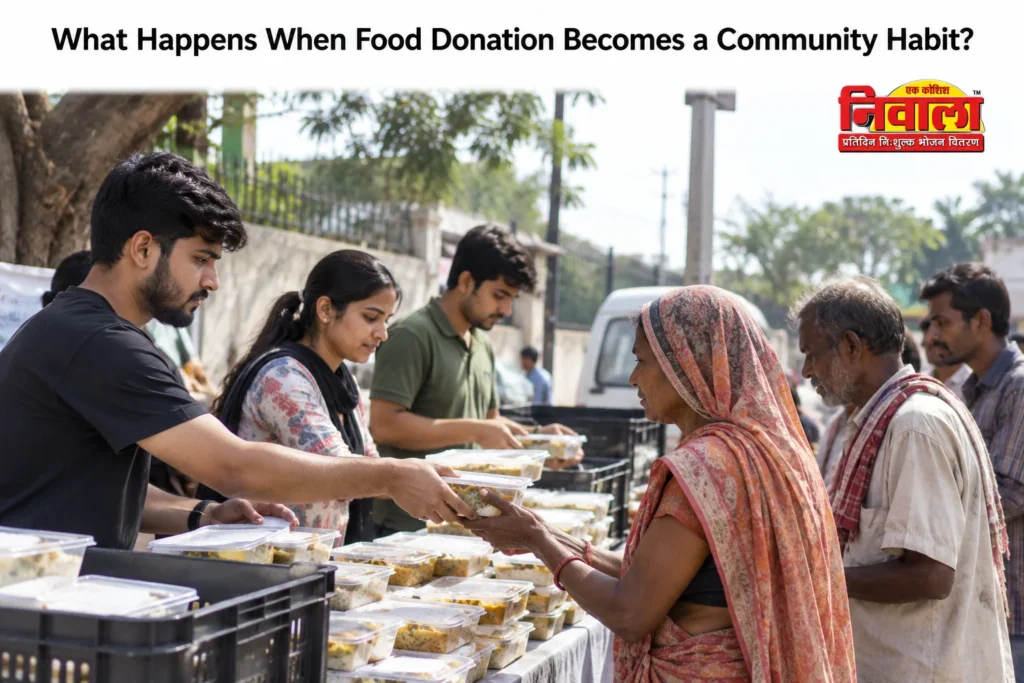
Imagine a neighbourhood where people do not wait for festivals, birthdays, or special occasions to help someone in need. Families contribute meals, businesses support food donation initiatives, and volunteers come together to make sure that people facing hunger receive support throughout the year. In such a community, food donation is not an occasional charitable activity. It becomes a shared responsibility. Food is one of our most basic human needs, yet access to regular, nutritious meals remains a challenge for many individuals and families. Financial difficulties, unexpected expenses, and temporary hardships can make it difficult for people to arrange food consistently. This is where community participation can make a meaningful difference. When food donation becomes a regular habit, it can help create a more reliable support system, encourage responsible food consumption, and strengthen relationships between people. For communities in Jaipur and beyond, making food donation a part of everyday life is an opportunity to turn compassion into consistent action.
Why Is Food Donation Important for a Community?
Food donation is often associated with festivals, weddings, birthdays, and other special occasions. While these activities are valuable, hunger does not follow a festival calendar. People experiencing food insecurity may need assistance throughout the year. Regular food donation helps communities move beyond occasional generosity and develop a more consistent approach to supporting people in need.
1. Small Contributions Can Create a Bigger Impact
A single person may feel that donating a few meals will not make a significant difference. However, when several people contribute regularly, their combined efforts can support a larger initiative. Consider a neighbourhood where 20 families contribute towards a monthly meal donation programme. Some families may sponsor meals, while others contribute financially or volunteer their time. Together, these contributions can help organize a community food distribution activity. The same principle applies to schools, colleges, offices, and residential societies. The impact of food donation is not determined only by the size of an individual contribution. Consistency, coordination, and community participation are equally important.
2. It Encourages Social Responsibility
3. It Helps Reduce Food Waste
Food waste and hunger can exist within the same community. Restaurants, hotels, weddings, family gatherings, and corporate events may sometimes have suitable surplus food that could otherwise go unused. Responsible food donation can help redirect appropriate surplus food towards people who need it. However, donating food must always involve proper safety practices. Food should be suitable for consumption, hygienically handled, stored appropriately, and distributed within its safe consumption period. The Food Safety and Standards Authority of India provides regulations for the recovery and distribution of surplus food in India. These regulations emphasize safe handling, storage, transportation, and timely distribution. Read the relevant regulations. The objective is not merely to reduce food waste. It is to ensure that suitable food reaches people safely and respectfully.
How Food Donation Can Transform a Community
Creating Stronger Neighbourhood Connections
Food donation activities can bring together people who may not otherwise interact regularly. A resident might coordinate a food collection drive. A local business may contribute suitable food items. Students can volunteer their time, while families support meal donation initiatives. These shared activities create opportunities for meaningful interaction. Over time, people become more aware of local needs and more willing to support one another. A community that works together to address hunger can also develop stronger relationships and a greater sense of belonging.
Supporting People During Difficult Times
Food insecurity can affect individuals and families for many reasons, including financial difficulties, illness, unexpected expenses, or temporary loss of income. For families accompanying patients at government hospitals, arranging meals can become an additional challenge while they focus on medical care. A meal donation initiative can help reduce one of these everyday burdens. Although food support cannot solve every difficulty a family faces, it can provide practical assistance during a challenging period. This is why consistent food donation matters. People experiencing difficult circumstances should not have to depend entirely on occasional charitable events.
Encouraging a Culture of Giving Among Children
How Can Food Donation Become a Regular Community Habit?
1. Start With a Monthly Food Donation Plan
A community can begin by choosing one day every month for a food donation activity. For example, residents may decide to support a meal donation initiative on the first Sunday of every month. The activity could involve sponsoring meals, contributing suitable food items, or volunteering with a local organization. A fixed schedule makes participation easier because people know when and how they can contribute.
2. Encourage Families to Participate Together
Food donation can become a meaningful family tradition. Instead of limiting charitable activities to special occasions, families can make sharing food part of their monthly routine. Parents can discuss the importance of food, involve children in age-appropriate activities, and encourage everyone to participate according to their ability. This approach makes giving more personal and helps families develop a lasting habit of community support.
3. Involve Local Businesses and Restaurants
Restaurants, hotels, offices, and event organizers can play an important role in community food donation. Businesses may explore opportunities to sponsor meals, support food donation programmes, or coordinate suitable surplus food donations. However, surplus food should never be donated without considering food safety. Businesses should coordinate with the receiving organization to confirm:-
- Whether the food is suitable for donation.
- How it should be stored and transported.
- When it should be collected and distributed.
- Whether the receiving organization can handle the quantity safely.
Responsible food donation helps businesses contribute to their communities while encouraging employees to participate in social initiatives.
4. Work With a Trusted Food Donation Organization
Organizing food collection and distribution independently can sometimes be challenging. Communities may need to arrange transportation, volunteers, food preparation, packaging, and distribution. Working with an established food donation organization can help simplify these responsibilities. In Jaipur, individuals and families interested in supporting food donation can explore Niwala’s initiatives and available meal donation options. Visit Niwala’s donation page to explore ways to contribute towards meal donation initiatives.
5. Make Participation Easy and Inclusive
Responsible Food Donation: Why Food Safety Matters
Food Donation in Jaipur: How Local Communities Can Make a Difference
Jaipur is home to residential communities, educational institutions, businesses, hospitals, and social organizations that can contribute towards addressing food insecurity. When these groups work together, they can create opportunities for more consistent food support. Residential societies can organize monthly food donation drives. Schools and colleges can encourage students to participate in community service. Restaurants can coordinate safe surplus food donations, while corporate offices can support meal sponsorship programmes. These activities do not need to be large-scale to be meaningful. A small group that consistently supports a food donation initiative can help create a lasting culture of giving within its neighbourhood. For people looking to support a food donation NGO in Jaipur, Niwala provides an opportunity to explore initiatives focused on providing meals to people in need. The idea is simple: when communities work together, helping others can become a shared responsibility rather than an occasional activity.
How Niwala Encourages a Culture of Food Donation
Niwala’s mission is built around the belief that everyone deserves access to food. Through its food donation initiatives, Niwala works to support people facing food insecurity in Jaipur. Its efforts include providing meals to families accompanying patients at government hospitals and encouraging individuals to participate in meal donation activities. Individuals, families, and businesses can explore ways to support food donation based on their capacity and preferences. Whether someone chooses to sponsor meals, participate in a community initiative, or encourage others to donate, the underlying purpose remains the same: making food support more accessible to people who need it. You can learn more about Niwala’s mission by visiting its official website.