


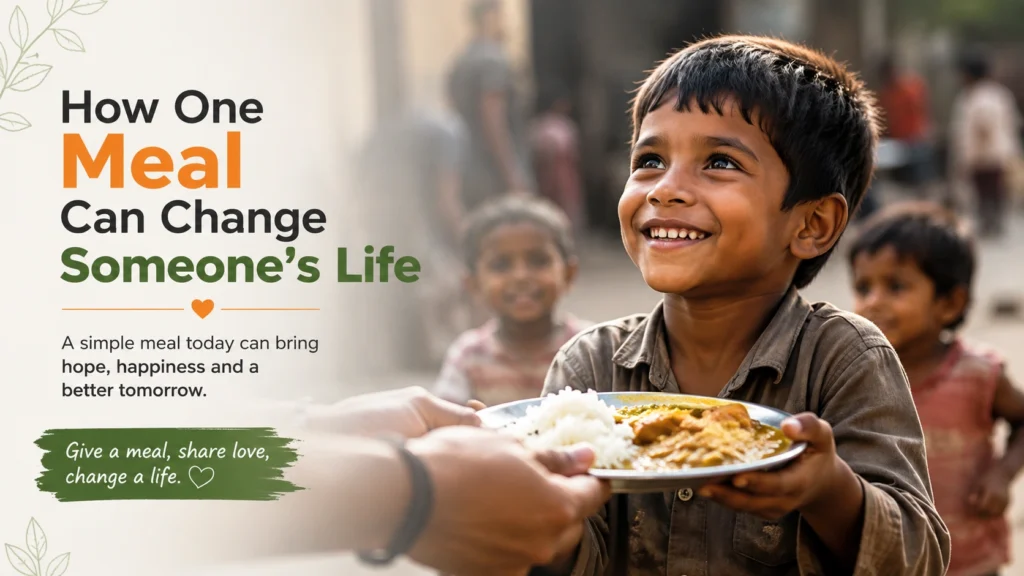
A meal can seem like a simple part of everyday life. We sit down, eat, and continue with our day. But for someone experiencing hunger, one meal can mean much more than food. It can provide energy, comfort, dignity, and hope at a time when they need it most. One meal can change someone’s life because it meets an immediate human need while also showing compassion. A nutritious meal can help a child concentrate at school, give a worker energy for the day, support a family facing financial difficulties, or bring comfort to an elderly person living alone. Food is something everyone needs, which makes sharing a meal one of the simplest and most meaningful ways to support another person.
Why a Single Meal Matters
Hunger affects much more than a person’s physical well-being. When people do not have enough food, everyday activities can become more difficult. Concentrating at work, studying at school, caring for children, or completing daily responsibilities can become challenging. For someone working hard to support a family, receiving a meal can provide immediate relief. Instead of worrying about where the next meal will come from, they can focus on other important responsibilities. This is why food donation matters. A meal may only last for one day, but the support it provides at that moment can be extremely valuable. Sometimes, meaningful change begins by simply making sure someone does not have to face hunger alone.
Food Gives More Than Nutrition
Food provides essential nourishment, but sharing food can also provide something less visible: emotional support. When someone receives a meal from a caring community, the message is simple: “You are not alone. Someone cares about you.” For people experiencing financial hardship, this feeling can matter greatly. They may already be dealing with uncertainty about employment, housing, education, healthcare, or household expenses. A donated meal can remove one immediate burden and allow limited resources to be used for other necessities. That is why food support should not be viewed only as charity. It can also be an expression of kindness, respect, and human connection.
How One Meal Can Help a Child
Every child deserves the opportunity to grow, learn, and dream about the future without worrying about hunger. Nutritious meals can provide children with the energy they need for school, play, and everyday activities. When children have access to regular meals, food support can become an important part of creating a healthier environment for learning and development. Imagine a child arriving at school hungry and struggling to concentrate. Now imagine that same child having access to a nutritious meal. The difference may seem small, but it can create a better opportunity to participate, learn, and enjoy the day. Supporting child nutrition is therefore about more than providing food today. It is about helping create stronger foundations for tomorrow.
Supporting Families During Difficult Times
The Power of Community Food Donation
One Meal Can Create Hope
Food Donation Can Protect Human Dignity
Helping people should always be done with respect. People facing hunger should not feel ashamed because they need assistance. Everyone can experience difficult circumstances, and needing support does not reduce a person’s value or dignity. A thoughtful meal donation program focuses not only on providing food but also on treating people with kindness and respect. When meals are prepared and distributed carefully, the process can create a stronger sense of community. It reminds us that everyone deserves compassion and that helping others is a shared human responsibility.
Small Actions Can Create Meaningful Impact
Many people believe they need to do something big before their contribution can matter. In reality, meaningful change can begin with a small action. You can sponsor a meal, donate to a trusted food-support organization, volunteer at a food distribution program, or encourage friends and family to participate. You can also help by spreading awareness about hunger and responsible giving. The important question is not:-
“Can I change the whole world?”
Instead, ask:-
“What can I do to help one person today?”
That simple question can turn good intentions into real action.
How You Can Help Someone Facing Hunger
There are several practical ways to support people who need food assistance:-
- Donate toward nutritious meals.
- Sponsor a meal through a trusted NGO.
- Volunteer with a local food-support initiative.
- Organize a community meal program.
- Donate suitable food items through responsible organizations.
- Encourage friends and family to contribute.
- Share verified food donation campaigns with your community.
- Support programs focused on children and vulnerable families.
Before donating, take time to understand the organization you are supporting. Look for clear information about its mission, programs, donation process, and use of funds. Responsible giving helps ensure that your contribution creates genuine impact.
Supporting Hunger Relief in Local Communities
Hunger relief becomes even more meaningful when communities come together to support people around them. Local organizations and volunteers often understand the needs of their communities and can help direct resources toward people who need them. Whether it is a meal distribution drive, support for children, assistance for families, or food support for elderly people, local action can create a direct connection between generosity and community needs. Supporting a trusted local food donation initiative can therefore be a practical way to turn compassion into action.
The Bigger Meaning Behind One Meal
A meal is temporary, but its impact can reach further than the moment it is eaten. Someone may receive enough energy to complete a day of work. A child may be able to focus on school. A parent may be able to use limited income for another essential expense. An elderly person may simply feel remembered and valued. These moments demonstrate why food donation can have meaningful social impact. One meal can change someone’s life because it meets an immediate need while communicating something much deeper: you matter, your well-being matters, and your community has not forgotten you.