


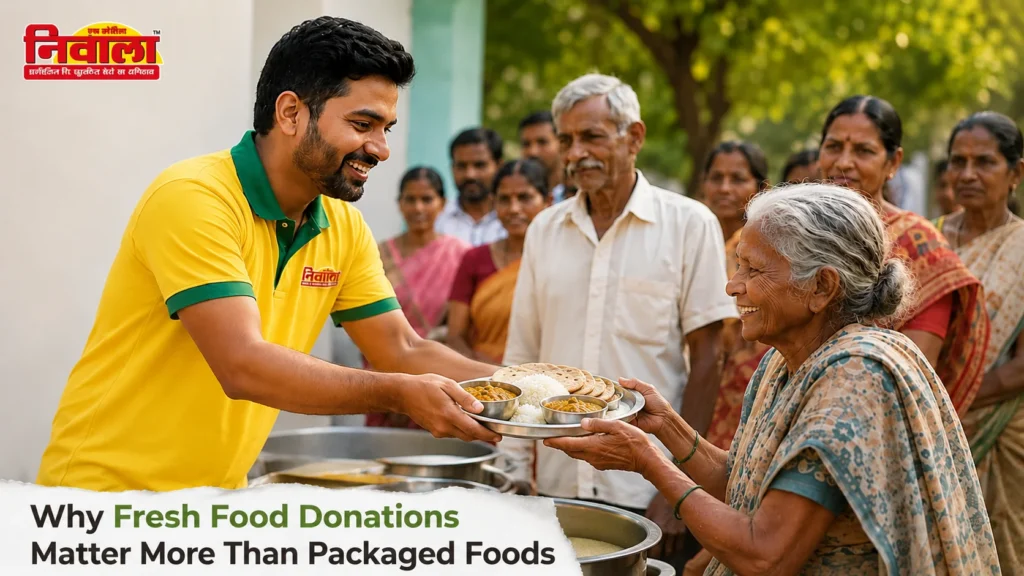
When people think about food donations, they often imagine packets of rice, pasta, biscuits, canned foods, or other packaged products. These foods are useful because they are easy to store, transport, and distribute. But there is another type of donation that can make an immediate difference: fresh food donations. Fresh fruits, vegetables, milk, bread, pulses, and freshly prepared vegetarian meals can give families more variety and make everyday meals feel more complete. For people who are struggling to arrange regular meals, receiving fresh food can mean more than simply having something to eat. It can provide choice, nourishment, and a sense of care. At the same time, donating safe surplus fresh food can help prevent perfectly usable food from becoming waste. That makes fresh food donation a meaningful way to address two community challenges at once: food insecurity and food waste.
What Are Fresh Food Donations?
Fresh food donations are food items that are still safe, usable, and suitable for consumption when they are given to people or organizations that need them. Depending on the donor and the organization receiving the food, fresh donations may include:-
- Fresh fruits and vegetables
- Milk and other dairy products
- Fresh bread and bakery items
- Freshly prepared vegetarian meals
- Dal, pulses, and beans
- Seasonal vegetables
- Minimally processed vegetarian foods
- Safe surplus vegetarian food from farms, restaurants, grocery stores, and community kitchens
These donations can reach families and individuals through nonprofit organizations, community groups, food assistance programs, schools, and local initiatives. However, freshness alone is not enough. Food should also be safe, properly handled, appropriately packed, and suitable for the organization receiving it.
Why Do Fresh Food Donations Matter?
1. They Add More Nutritional Variety
2. They Give Families More Food Choices
3. They Can Support Healthier Eating Habits
4. They Help Reduce Food Waste
One of the biggest advantages of fresh food recovery is the opportunity to redirect safe surplus food toward people instead of allowing it to become waste. Farmers may have extra vegetables that cannot be sold. Grocery stores may have surplus produce. Bakeries may have suitable bread left over. Restaurants and community kitchens may have safe vegetarian meals remaining after an event or service period. If the food is still safe and suitable for consumption, connecting it with a trusted organization can give it a second purpose. Instead of becoming waste, it can become a meal for someone who needs it.
5. They Strengthen Local Communities
Fresh Food vs. Packaged Food Donations
Packaged foods should not be considered unimportant. Rice, pulses, pasta, cereals, canned vegetables, biscuits, and other shelf-stable products can be extremely useful because they are generally easier to store and distribute. Fresh food has different benefits and challenges.
| Fresh Food Donations | Packaged Food Donations |
|---|---|
| Provide fresh produce and variety | Usually have a longer shelf life |
| Can contribute to balanced meals | Generally easier to store |
| Can help recover safe surplus food | Useful for longer-term assistance |
| May need quicker distribution | Usually easier to transport |
| Offer more meal choices | Can remain available for longer |
The best approach is not necessarily fresh food versus packaged food. In many situations, a combination of both can provide stronger food assistance, depending on what people need and what the receiving organization can safely store and distribute.
Why Fresh Food Matters for Families With Children
How Businesses Can Donate Fresh Food
Food businesses can play an important role in reducing food waste and improving access to nutritious food. Businesses that may have suitable surplus food include:-
- Grocery stores
- Restaurants
- Farms
- Bakeries
- Hotels
- Caterers
- Food manufacturers
- Community kitchens
The first step is to identify a trusted nonprofit or food-support organization that accepts the type of food being offered. Businesses should also make sure that donations are handled properly. This includes appropriate preparation, storage, packaging, transportation, and timely distribution. Creating a regular donation arrangement can make the process easier and more reliable for everyone involved.
How Individuals Can Support Fresh Food Donations
You do not need to own a business or manage a large food supply to help. Individuals can support fresh food donation and food recovery efforts in simple ways:-
- Donate fresh vegetables or fruits when accepted.
- Participate in community food drives.
- Volunteer at food sorting or distribution activities.
- Support organizations providing nutritious food.
- Encourage local businesses to donate safe surplus food.
- Share information about local food-support programs.
- Help reduce unnecessary food waste at home.
Small actions may seem simple, but when many people participate, they can create meaningful community impact.
The Role of Food Rescue Organizations
Food rescue organizations can help connect businesses that have safe surplus food with communities that need additional food support. They may coordinate collection, sorting, transportation, and distribution through community partners. This approach can help reduce food waste while making nutritious food more accessible. Organizations such as Niwala can play a role in connecting resources with people and communities that need support. The idea is simple: keep good food moving toward people instead of unnecessary waste.
What Makes a Good Fresh Food Donation?
Not every food item is suitable for every donation program. Before donating, check what the receiving organization accepts. A good donation should generally be:-
- Safe for consumption
- Properly stored and handled
- Fresh and in suitable condition
- Within the organization’s accepted guidelines
- Packed and transported appropriately
If you are unsure whether a particular food can be donated, contact the organization before bringing it. This simple step can prevent unnecessary waste and make the donation process easier.
How You Can Make a Difference
There are many ways to support food access in your community. If you have safe surplus vegetables, fruits, bread, dairy products, or freshly prepared vegetarian food, contact a trusted food-support organization and ask whether they can accept it. If you do not have food to donate, you can still help by volunteering, making a contribution, supporting food recovery programs, or encouraging local businesses to participate. For businesses, creating a regular food donation partnership can turn an occasional act of generosity into a consistent community effort.
Fresh Food Donations Are About More Than Food
A fresh food donation may seem small. It could be a basket of vegetables from a farmer, extra bread from a bakery, fruit from a grocery store, or a safe vegetarian meal from a community kitchen. But behind that donation is a real opportunity to help someone. A parent may use those vegetables to prepare dinner. A child may have fresh fruit for a snack. A family may have more choices when planning their meals. At the same time, perfectly usable food stays out of the waste stream. That is what makes food recovery so meaningful. It connects surplus food with community need.